World Wildlife Day 2026: Indian Parks Known for Medicinal and Aromatic Plants in Focus
On World Wildlife Day 2026, several Indian wildlife parks and reserves are highlighted for their rich diversity of medicinal and aromatic plants.
 Akanksha jain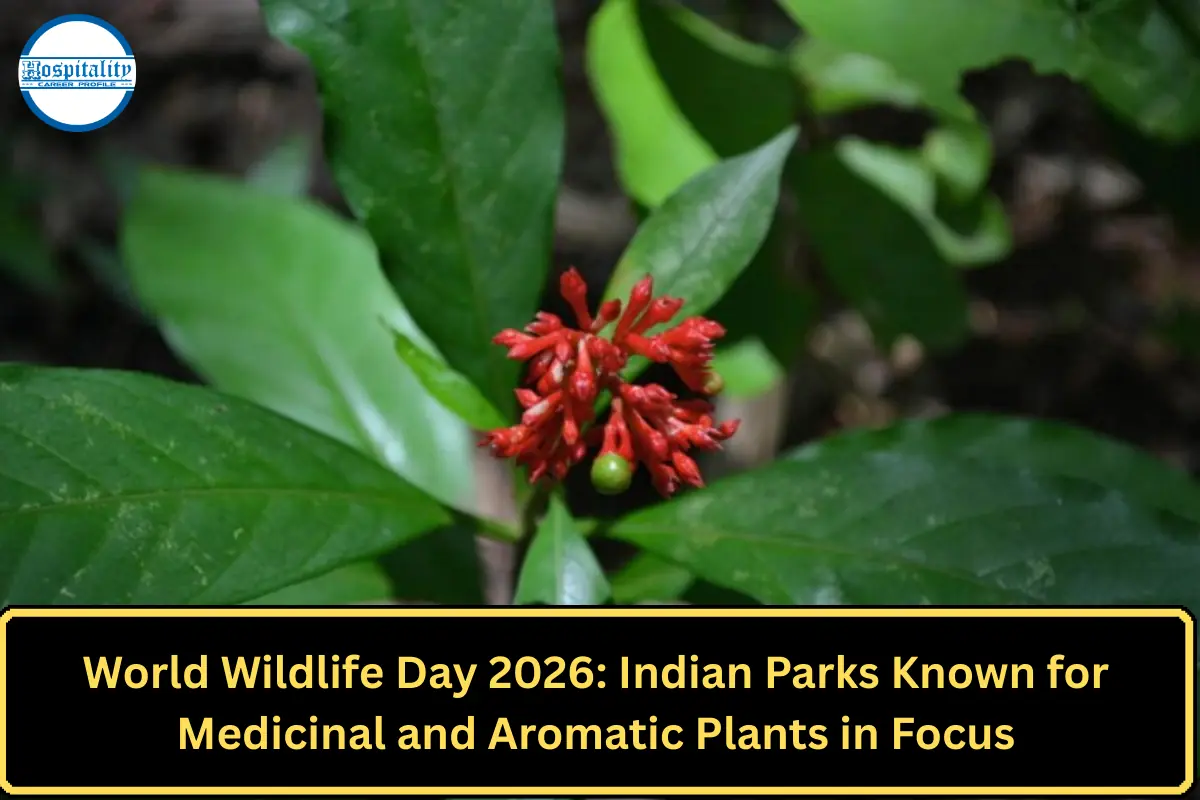
On World Wildlife Day 2026, several wildlife parks and reserves across India are being recognized for their rich diversity of medicinal and aromatic plants, according to a report.
India’s biodiversity hotspots are home not only to iconic wildlife species but also to valuable plant varieties used in traditional medicine systems such as Ayurveda, Siddha, and Unani.
Himalayan biodiversity
is renowned for its alpine meadows rich in rare and medicinal flora. The region supports numerous herbs traditionally used for therapeutic purposes, thriving in its unique high-altitude ecosystem.
Western Ghats Richness
: The Western Ghats and other protected areas in the Western Ghats are known for their endemic plant species, many of which possess medicinal and aromatic properties. The biodiversity of this region contributes significantly to India’s herbal medicine heritage.
Central Indian Forest Reserves:
Forested reserves such as these are not only wildlife habitats but also repositories of diverse plant species used in traditional remedies. These ecosystems play a crucial role in conserving both fauna and flora.
Conservation and sustainable use experts emphasize the importance of conserving medicinal plant species amid increasing demand from pharmaceutical and herbal industries. Sustainable harvesting practices, scientific research, and community involvement are considered essential to maintaining ecological balance.
World Wildlife Day serves as a reminder of the interconnectedness between biodiversity conservation and human health, highlighting the need to protect ecosystems that sustain both wildlife and traditional medicine systems.