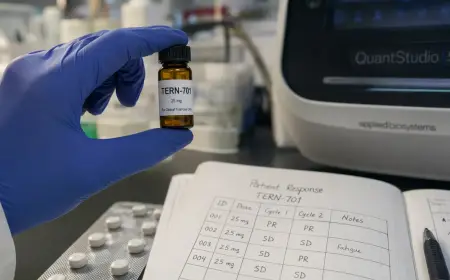
GSK’s Linerixibat Receives US FDA Approval for Treatment of Rare Liver Disease
GSK has received US FDA approval for linerixibat, a treatment for a rare liver disease, marking a significant advancement in addressing unmet medical needs.
 Akanksha jain
GSK’s Linerixibat Receives US FDA Approval for Treatment of Rare Liver Disease
GlaxoSmithKline (GSK) has announced that the US Food and Drug Administration (FDA) has approved linerixibat, a novel therapy for the treatment of a rare liver disease, marking a significant milestone in addressing unmet medical needs in hepatology. The approval, confirmed on March 25, 2026, allows the drug to be used in adult patients suffering from conditions associated with chronic cholestatic liver disorders, where treatment options have remained limited.
The decision by the FDA follows clinical trials demonstrating the drug’s effectiveness in reducing key symptoms associated with the disease, including severe itching and impaired liver function. The approval is expected to expand treatment choices for patients who previously had limited or no targeted therapies available.
Addressing an Unmet Medical Need
Rare liver diseases, particularly cholestatic conditions, are characterized by impaired bile flow, leading to toxin buildup in the liver and bloodstream. This can result in chronic symptoms such as pruritus (intense itching), fatigue, and progressive liver damage.
Linerixibat works by inhibiting bile acid transport mechanisms in the body, helping to reduce the accumulation of bile acids that contribute to these symptoms. By targeting the underlying biological pathway, the drug offers a more direct and potentially effective approach compared to existing symptomatic treatments.
Experts note that patients with rare liver diseases often face delayed diagnoses and limited treatment options, making new therapeutic approvals particularly impactful.
Clinical Trial Outcomes
The FDA approval was supported by data from multiple clinical studies evaluating the safety and efficacy of linerixibat. Results showed statistically significant improvements in symptom reduction, particularly in alleviating itching, which is one of the most debilitating aspects of cholestatic liver diseases.
Patients receiving the treatment reported improved quality of life, including better sleep and daily functioning. The trials also indicated that the drug was generally well tolerated, with manageable side effects.
Regulators reviewed the clinical evidence as part of an expedited process often used for therapies addressing serious or rare conditions with high unmet need.
Regulatory Significance
The FDA’s decision underscores the growing emphasis on developing treatments for rare diseases, an area that has gained increasing attention from both regulators and pharmaceutical companies. Incentives such as orphan drug designation and accelerated approval pathways have encouraged innovation in this field.
Linerixibat’s approval adds to a growing pipeline of targeted therapies designed to address specific disease mechanisms rather than broad symptoms. This reflects a broader shift toward precision medicine in the pharmaceutical industry.
Regulatory authorities have highlighted the importance of balancing rapid access to new therapies with rigorous evaluation of safety and effectiveness.
Impact on Patients and Healthcare Providers
For patients, the availability of a new treatment option represents a meaningful advancement in disease management. Healthcare providers now have an additional tool to address symptoms that significantly impact quality of life.
The approval is also expected to influence clinical practice by encouraging earlier intervention and more targeted treatment strategies. Physicians may incorporate linerixibat into treatment plans for eligible patients, particularly those who have not responded adequately to existing therapies.
Patient advocacy groups have welcomed the development, emphasizing the importance of continued research and innovation in rare disease treatment.
Commercial and Market Implications
The approval of linerixibat is likely to strengthen GSK’s position in the specialty pharmaceuticals market, particularly in the area of rare diseases. The company has been focusing on expanding its portfolio with targeted therapies that address unmet medical needs.
Analysts suggest that the drug could generate significant revenue, given the limited competition and high demand for effective treatments in this therapeutic area. However, pricing and reimbursement decisions will play a key role in determining market uptake.
Healthcare systems and insurers will evaluate the drug’s cost-effectiveness in relation to its clinical benefits, which could influence accessibility for patients.
Broader Industry Trends
The approval reflects broader trends in the pharmaceutical industry, including increased investment in rare disease research and the development of therapies targeting specific biological pathways. Advances in biotechnology and molecular medicine have enabled the creation of more precise and effective treatments.
Companies are also leveraging collaborations and partnerships to accelerate drug development and bring innovative therapies to market more quickly. Regulatory support for such initiatives has further facilitated progress in this area.
The focus on rare diseases is expected to continue, driven by both scientific advancements and policy incentives.
Safety and Monitoring
As with all newly approved therapies, ongoing monitoring of linerixibat’s safety profile will be essential. Post-marketing studies and real-world data collection will help identify any long-term effects and ensure continued patient safety.
Healthcare providers are expected to follow guidelines for prescribing and monitoring the drug, including assessing patient response and managing any adverse effects.
Regulators will continue to evaluate new data as it becomes available, ensuring that the benefits of the treatment outweigh any potential risks.
Future Outlook
Looking ahead, the approval of linerixibat may pave the way for further advancements in the treatment of liver diseases. Ongoing research is expected to explore additional applications of the drug, as well as the development of similar therapies targeting related conditions.
GSK and other pharmaceutical companies are likely to continue investing in research aimed at improving outcomes for patients with rare and complex diseases. Advances in understanding disease mechanisms will play a critical role in driving innovation.
The development also highlights the importance of collaboration between regulators, industry, and the scientific community in bringing new treatments to patients.
Conclusion
The FDA approval of GSK’s linerixibat represents a significant step forward in the treatment of rare liver diseases, providing a new option for patients and reinforcing the ongoing shift toward targeted, patient-centered therapies in modern medicine.