Iranian Naval Ship IRIS Lavan Docks at Kochi Amid Regional Tensions
Iranian naval ship IRIS Lavan docks at Kochi with 183 crew members after receiving Indian clearance amid rising regional tensions.
 Hcp News Desk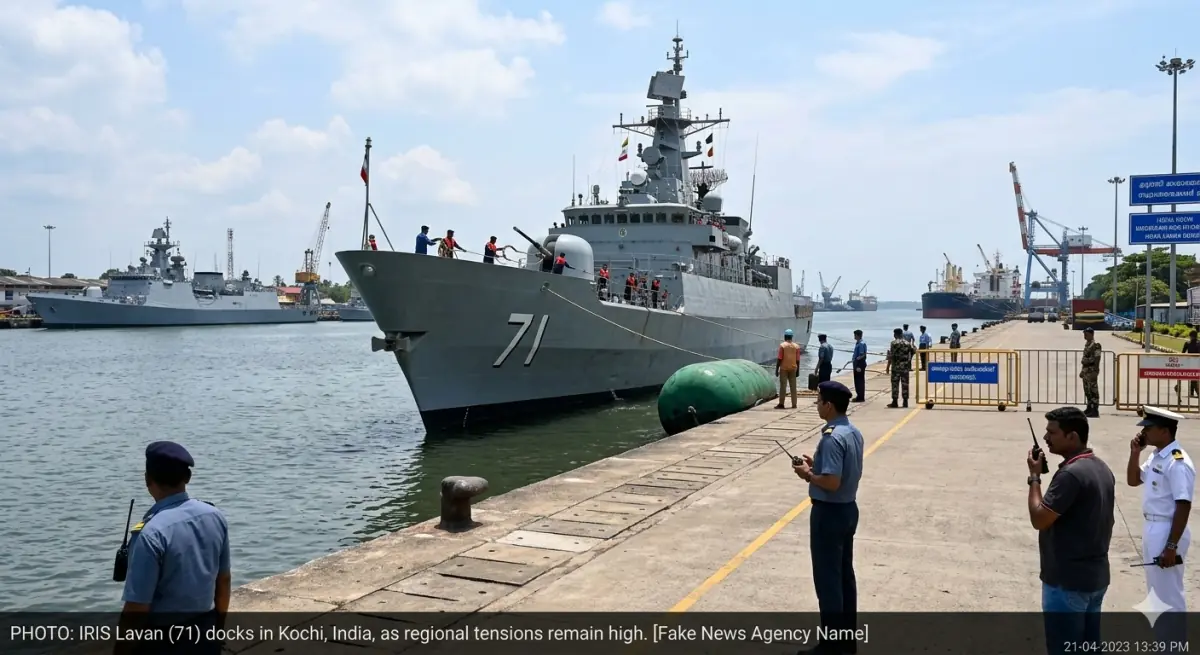
Iranian Naval Ship IRIS Lavan Arrives in Kochi Following Indian Government Clearance
An Iranian naval vessel, IRIS Lavan, has docked at Kochi in the southern Indian state of Kerala after receiving official clearance from the Indian government. According to government sources, the ship arrived at the port on March 4 carrying 183 crew members. The personnel from the vessel are currently being accommodated at Indian naval facilities in Kochi during the ship’s stay. Port visits by foreign naval ships are typically conducted for logistical support, diplomatic engagement or routine operational requirements. The docking takes place at a time when geopolitical tensions across the Indian Ocean region have been rising due to developments linked to the broader conflict involving Iran, the United States and Israel.
Visit Occurs Amid Heightened Regional Security Concerns
The arrival of IRIS Lavan in Kochi comes shortly after reports that another Iranian warship, IRIS Dena, was sunk by a United States submarine in the Indian Ocean near Sri Lanka. The reported attack has significantly escalated tensions between Iran and Western forces operating in the region. The sinking of IRIS Dena reportedly resulted in heavy casualties among the vessel’s crew and has drawn international attention to the growing risk of maritime confrontation in the Indian Ocean. Against this backdrop, the docking of an Iranian naval vessel at an Indian port has become part of a broader narrative surrounding naval movements and strategic maritime activity in the region.
Indian Ocean Emerging as a Strategic Maritime Theatre
The Indian Ocean remains one of the most strategically important maritime regions in the world. It serves as a major route for global trade and energy shipments connecting Asia, the Middle East, Europe and Africa. Military and naval activities in these waters have increased in recent years as global powers seek to secure trade routes, protect energy supply lines and maintain strategic influence. Incidents involving naval forces in the region can therefore attract significant international attention due to their potential impact on maritime security and global commerce.
Iranian Vessel IRIS Bushehr Also Docks in Sri Lanka
In a related development, another Iranian vessel, IRIS Bushehr, has reportedly docked in Sri Lanka after requesting assistance. The docking of Iranian ships at ports across the region reflects heightened maritime movement linked to the ongoing geopolitical crisis. While the circumstances surrounding the vessel’s arrival have not been fully disclosed, such requests for port access are often made for logistical support, repairs or crew assistance. The presence of multiple Iranian vessels in nearby ports highlights the increased naval activity occurring in the Indian Ocean amid the evolving regional security environment.
India’s Strategic Balancing in Regional Diplomacy
India’s decision to grant docking clearance to IRIS Lavan reflects the country’s carefully balanced diplomatic approach in dealing with global powers. India maintains longstanding relationships with Iran while also engaging in strategic partnerships with Western countries. Naval port visits often fall within the framework of international maritime protocols and diplomatic engagements between countries. However, such visits can attract greater scrutiny when they occur during periods of heightened geopolitical tension. By allowing the ship to dock while maintaining a neutral stance on broader regional conflicts, India appears to be navigating a delicate diplomatic balance.
Growing Focus on Maritime Security
The events surrounding the docking of IRIS Lavan, the reported sinking of IRIS Dena and the arrival of IRIS Bushehr in Sri Lanka collectively highlight the growing importance of maritime security in the current geopolitical environment. Naval movements across the Indian Ocean are being closely monitored by governments and defense analysts as tensions among major powers continue to influence regional dynamics. With strategic sea lanes and military assets operating in close proximity, maintaining stability in the region has become a priority for multiple countries.
Regional Situation Remains Fluid
The broader conflict involving Iran, the United States and Israel continues to evolve, with developments unfolding across both land and maritime domains. The docking of Iranian naval vessels at regional ports reflects the operational and diplomatic complexities that accompany such tensions. As naval activity increases and regional actors remain on alert, the situation in the Indian Ocean is expected to remain under close observation by international security and diplomatic communities.