Orban Concedes Defeat After 16 Years as Peter Magyar Wins Hungary Vote
Hungary PM Viktor Orban loses power after 16 years as opposition leader Peter Magyar wins parliamentary election amid economic discontent and EU tensions.
 mansi labhde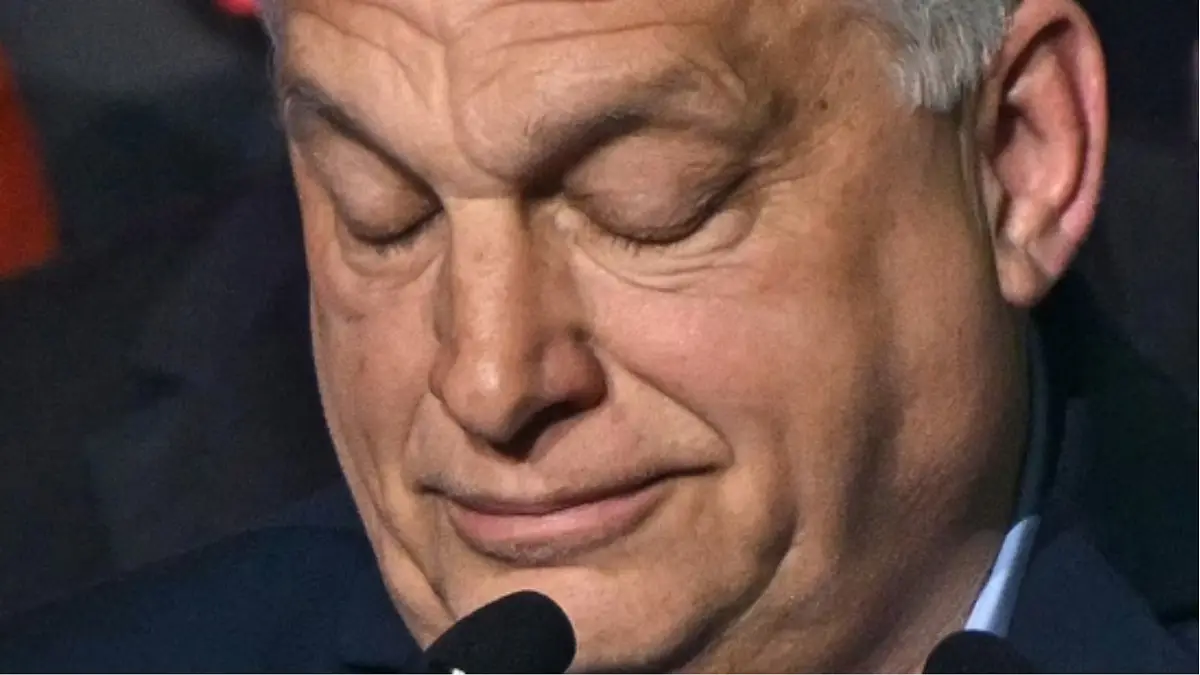
BUDAPEST, April 13, 2026 — Prime Minister Viktor Orban conceded defeat in Hungary’s parliamentary elections on Sunday, ending his 16-year rule as opposition leader Peter Magyar led a surge that reshaped the country’s political landscape, driven by voter discontent over economic conditions and governance.
The election marked a significant shift in Hungarian politics, with Magyar, a former insider in Orban’s ruling system, securing victory after campaigning on domestic economic issues and public dissatisfaction with the long-standing administration.
End of a 16-Year Political Dominance
Orban, who returned to power in 2010, built a political system centred around his leadership, reshaping Hungary’s institutions and governance framework over more than a decade. In 2014, he described his model as an “illiberal state,” reflecting a shift away from liberal democratic norms.
Political analysts said his administration increasingly concentrated power, with governance and political discourse often revolving around support for his leadership. His tenure faced repeated criticism over alleged weakening of judicial independence, restrictions on press freedom, and limits on civil liberties.
These developments frequently brought his government into conflict with the European Union, although Orban framed such clashes as a defence of national sovereignty against external influence from Brussels.
Peter Magyar Emerges as Key Challenger
The turning point in the election came with the rise of Peter Magyar, a 45-year-old lawyer and leader of the Tisza party, who had previously been part of Orban’s political ecosystem. His insider knowledge of the ruling system became a strategic advantage during the campaign.
Magyar positioned himself as an alternative to the existing political order, focusing on governance reforms and public concerns. Following the results, he told supporters that the election represented a reclaiming of the country’s political direction and a mandate to build a more inclusive system.
His campaign avoided strong positions on several polarising issues, enabling him to broaden appeal across different voter groups and avoid the divisions that had previously weakened opposition efforts.
Foreign Policy Strategy and EU Frictions
During his tenure, Orban strengthened ties with global leaders, while also maintaining relations with China and Russia. At the same time, his government frequently clashed with the European Union on issues related to governance, rule of law, and policy direction.
After securing re-election in 2022, Orban increasingly positioned Hungary as an independent geopolitical actor. His administration used Hungary’s 2024 presidency of the European Union to pursue initiatives such as a “peace mission” to Moscow, which drew criticism from European allies.
Analysts said this outward focus on international alliances may have weakened domestic support, as economic challenges and internal political concerns gained prominence among voters.
Economic Issues and Public Discontent
Economic factors played a significant role in the election outcome. Rising inflation, stagnant wages, and concerns over public services, including healthcare and transportation, contributed to growing dissatisfaction with the government.
Magyar’s campaign centred on these domestic issues, shifting the political narrative away from external threats and geopolitical positioning. This approach resonated with voters who were increasingly focused on economic stability and governance performance.
Public sentiment also reflected broader dissatisfaction with corruption and political scandals, further eroding support for the incumbent leadership.
Gradual Decline and Electoral Shift
Analysts noted that Orban’s defeat was the result of a gradual erosion of authority rather than a sudden political shift. Over time, his strategy of reshaping Hungary’s political and ideological framework contributed to fatigue among sections of the electorate.
The emergence of a strong challenger from within the system, combined with sustained public discontent, created conditions for a competitive electoral environment that ultimately led to a transfer of power.
Magyar’s rise also reflected the limitations of a fragmented opposition, as his leadership consolidated support that had previously been divided among multiple groups.
International Response to Election Outcome
European leaders responded positively to the election result, describing it as a reaffirmation of democratic participation and alignment with European values. Several leaders expressed readiness to work with Hungary’s new leadership.
Orban welcomed the outcome as a sign of commitment to European principles, while described it as a significant moment for democracy in Europe.
Other leaders, also acknowledged the result, emphasising the importance of cooperation and unity within Europe.
Meanwhile, Ukrainian President signalled willingness to engage with Hungary’s new government.
The election outcome marks a significant transition in Hungary’s political direction, with the new leadership expected to take office following the completion of the electoral process.