Trump Warns Iran Ships Near US Blockade Will Be ‘Eliminated’
Donald Trump warns Iranian ships approaching US blockade will be destroyed as ceasefire holds and global concerns rise over Strait of Hormuz disruption.
 mansi labhde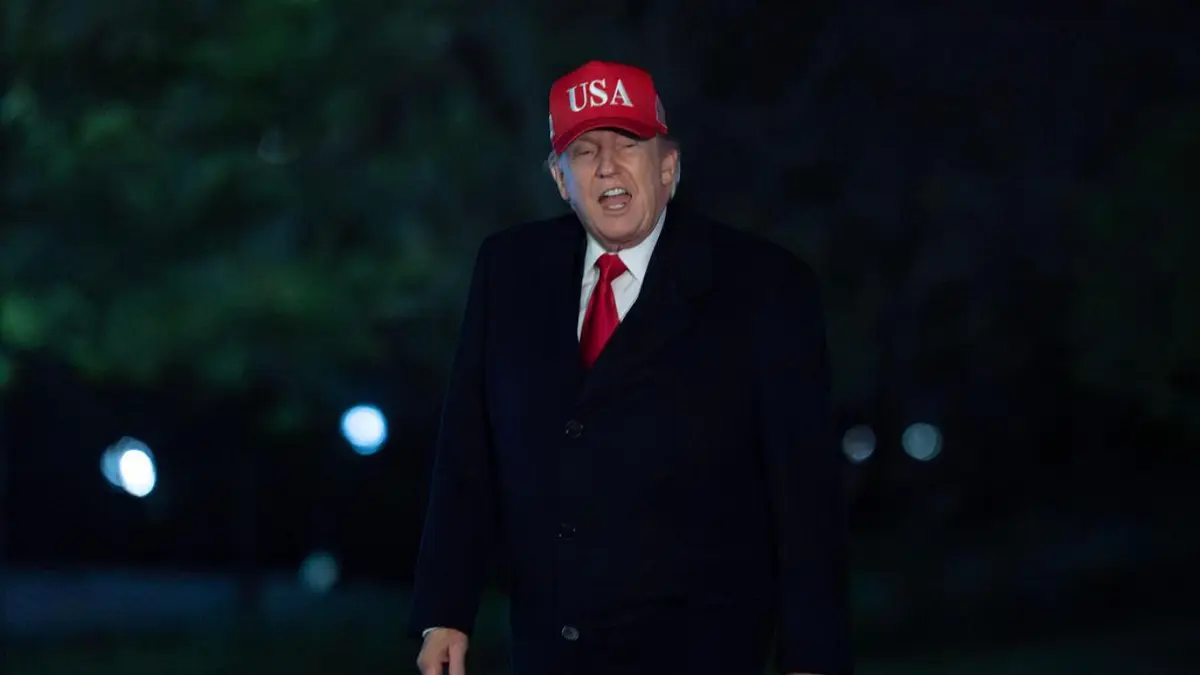
WASHINGTON, April 13, 2026 — : warned that United States forces would destroy any Iranian vessels approaching a newly imposed naval blockade of Iranian ports, escalating tensions despite a reported ceasefire holding between the two countries, according to official statements made on Monday.
The warning came as the U.S. formally began enforcing a blockade targeting Iranian maritime activity, a move that has disrupted critical global shipping routes, particularly through the Strait of Hormuz, a key transit corridor for international energy supplies.
Trump Issues Direct Military Warning
President Trump said that Iranian “fast attack ships” nearing the blockade would be immediately targeted and destroyed by U.S. forces. In a statement posted on his social media platform, he declared that any such vessels approaching the restricted zone would face direct military action.
He further claimed that Iran’s naval capabilities had been significantly weakened, stating that much of the country’s navy had already been neutralised. The U.S. President also indicated that American forces would deploy tactics similar to those used in anti-narcotics operations at sea, including air strikes against vessels identified as threats.
The blockade, which came into effect on April 13, marks a significant escalation in the ongoing conflict between the United States and Iran, particularly in maritime domains.
Ceasefire Reportedly Holding Amid Tensions
Despite the heightened rhetoric and military posture, officials said that a ceasefire between the United States and Iran was currently holding.
Speaking during a cabinet meeting, Sharif said efforts were ongoing to resolve outstanding issues following failed negotiations over the weekend. He indicated that diplomatic channels remained active and that discussions were continuing in an attempt to stabilise the situation.
The ceasefire status suggests a fragile pause in direct hostilities, even as military measures such as the blockade continue to intensify the broader conflict environment.
Global Shipping Route Faces Legal and Strategic Concerns
The blockade has drawn international attention due to its impact on the Strait of Hormuz, a vital shipping lane through which a significant portion of global oil and liquefied natural gas supplies pass.
Secretary-General of the International Maritime Organization, stated that under international law, no country has the authority to block navigation through such international straits.
He emphasised that the principle of “innocent passage” guarantees the right of vessels to transit through key waterways used for global trade, and any restriction on this freedom raises legal and diplomatic concerns.
The ongoing disruption of maritime traffic in the region has already contributed to instability in global energy markets and heightened concerns among shipping and trade stakeholders.
Diplomatic Efforts Continue After Failed Talks
The current situation follows unsuccessful negotiations between U.S. and Iranian representatives aimed at securing a lasting agreement to end hostilities. While those talks did not yield a breakthrough, efforts to reach a diplomatic resolution are ongoing.
Pakistan has played a role in facilitating dialogue, with recent discussions taking place in Islamabad. However, no formal agreement has yet been reached to resolve the underlying issues driving the conflict.
The continuation of diplomatic engagement alongside military measures highlights the complexity of the situation, with both sides maintaining pressure while exploring potential pathways to de-escalation.
Rising Global Implications
The developments have significant implications for global security and economic stability. The Strait of Hormuz remains a critical chokepoint for energy supplies, and any prolonged disruption could have wide-ranging effects on oil prices and international trade.
The combination of a military blockade, legal challenges, and ongoing diplomatic negotiations underscores the fragile nature of the current ceasefire and the uncertainty surrounding future developments.
As of now, the situation remains fluid, with both military and diplomatic actions continuing simultaneously, and the international community closely monitoring the evolving crisis.